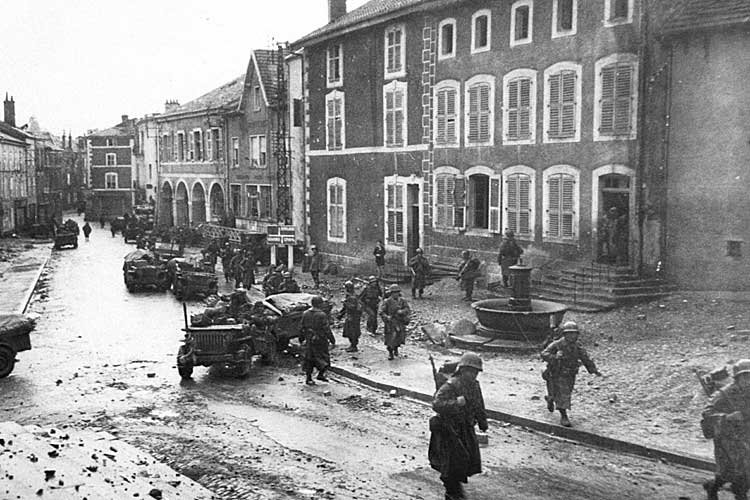
This is Bruyere on October 18, 1944
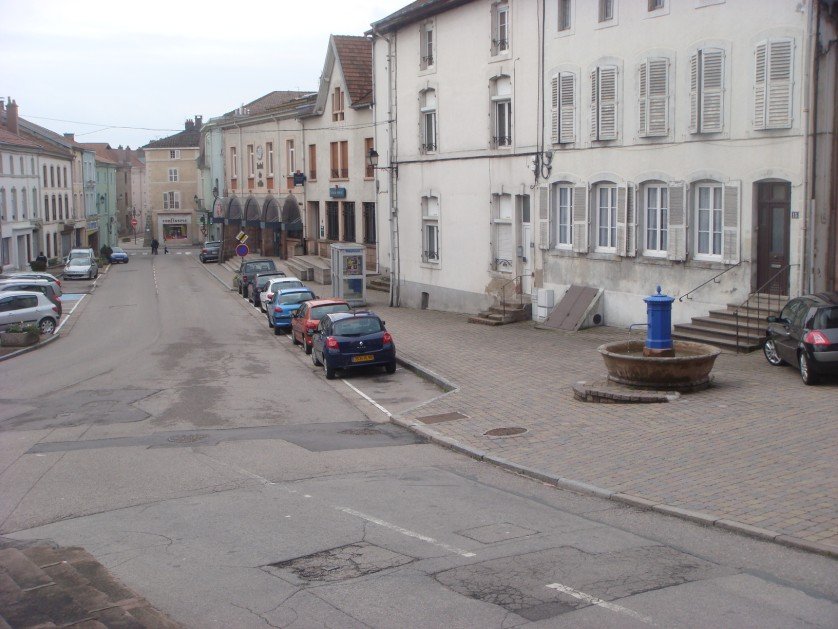
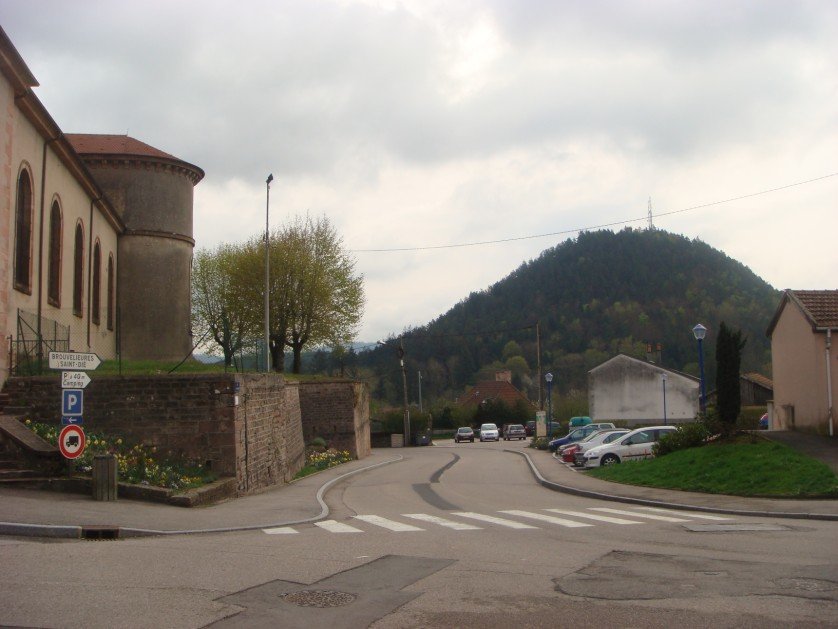
This is Bruyere on April 18, 2009! As you can see not much has been changed.
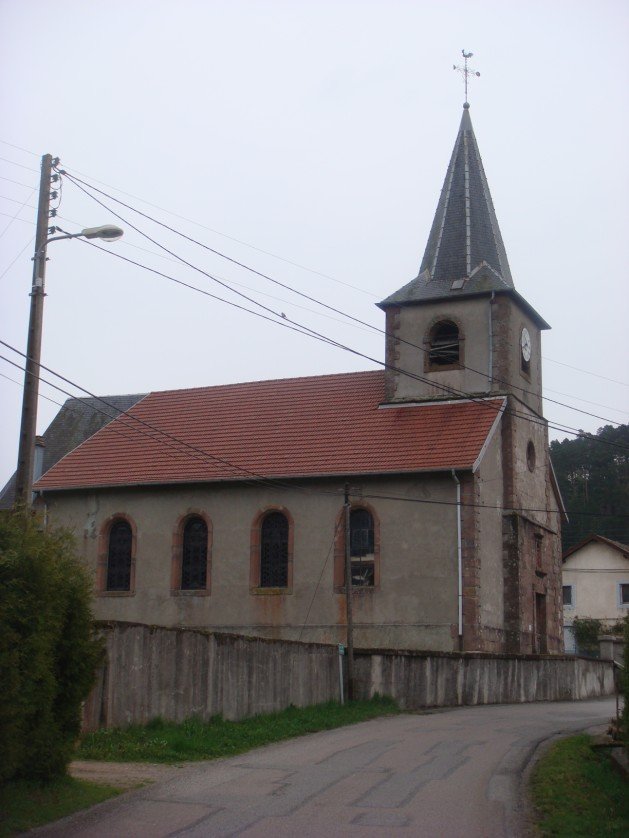
The church of Bruyere
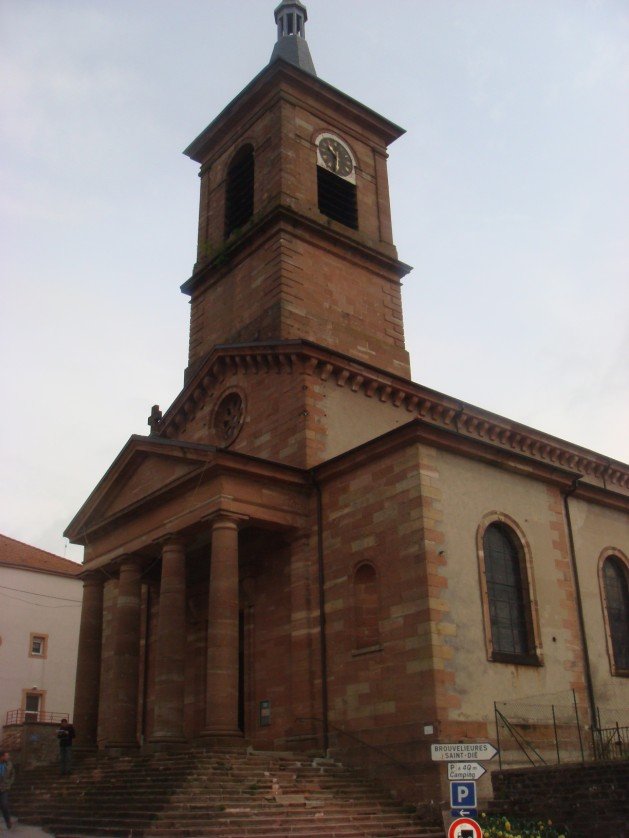
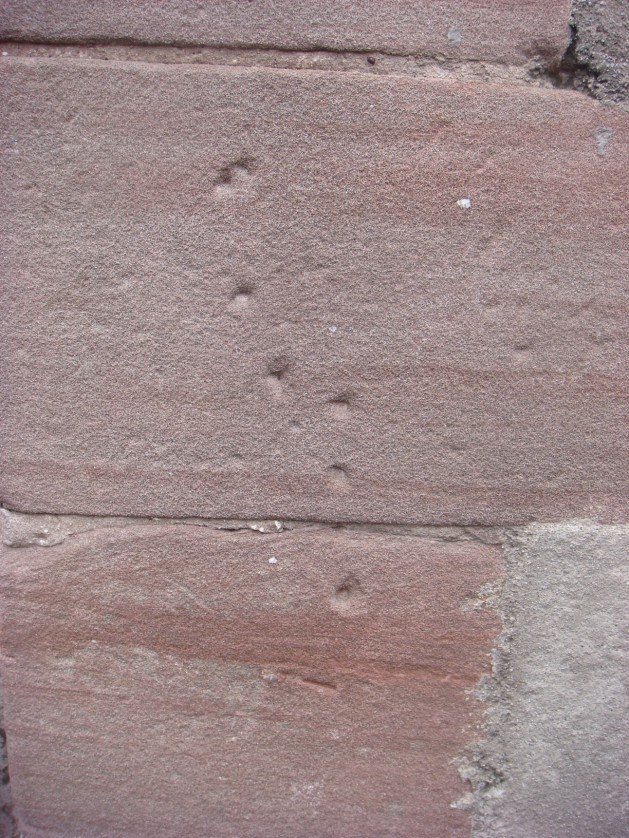
Bullet holes in the church wall.
With Bruyères in American hands, the next objective was Hill "D" east of town. The attack was launched at 1000 hours on October 19.
Hill "D" fell to the 3rd Btl around noon on the 19th October, and Hill "C," now somewhat in the rear of both the 2nd and 3rd Btl had now developed into a bedlam, with large pockets of enemy troops (left on Hill "D" and by-passed in the attack) opening fire on the reserve companies and command posts.
During the fight to take Hill "D", F Company was trying to dislodge a German company that had infiltrated Hill "D" during the night. The battle was at deadlock when the Germans wounded Tsg. Abraham Ohama from F Company, disregarding his white flag while on the way to aid a fellow soldier. As the litter bearers tried to get to both of them, the Germans ignored the men with the Red Cross helmets and opened up on them, wounding the medics and killing Ohama. Infuriated that the enemy shot an unarmed, wounded man, the F Company men charged up the hill and annihilated the Germans. Those soldiers attacked with such ferocity that soon more than fifty German Grenadiers lay dead and seven survived only by hiding until the following morning. This was later called the "Banzai charge".
The Battle for Bruyères is considered one of the ten worst disasters in the history of the US Armed Forces.
BIFFONTAINE:
Dahlquist ordered the 100th Btl to march east, more than a mile from the nearest friendly troops, and take the high ground overlooking the village of Biffontaine. The men reached the ridge and dug in, but soon they were being hit from all three sides with German artillery, rockets and anti-aircraft fire.
Although they held the ridge, the men were critically low on water and supplies. Five tanks loaded with ammunition and water and accompanied by a platoon tried to reach the 100th Btl. But the Germans ambushed them, killing three and wounding several others. Meanwhile, German bicycle troops attacked the 100th along the right rear flank. The 2nd Btl beat off the attack, but the 100th Btl still needed supplies. Finally soldiers from G and L Companies, carrying water and ammunition on their backs, found their way through the thick forest with the help of the French resistance and relieved the beleaguered 100th Battalion.
Dahlquist then ordered the 100th to descend the ridge and take Biffontaine, an objective that many men thought was tactically worthless. On the morning of October 23, the 100th Btl climbed down and quickly captured 23 Germans, some enemy arms and several houses. But soon the Germans re-grouped. They surrounded the town and blasted the 100th with anti-aircraft cannons and tank fire all through the night. Exhausted, the men in the 100th huddled in the cellars of ruined buildings.
Many had not slept for eight days. The casualties were piling up. Their cache of captured weapons had run out and the supply lines were again cut off. The Germans swarmed among the houses yelling, "Surrender," but the 100th Battalion held the town.
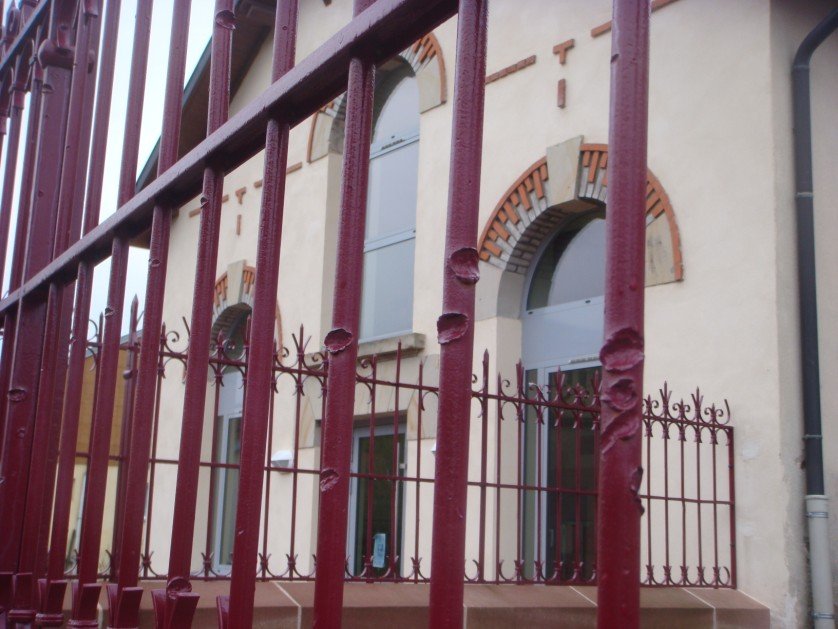
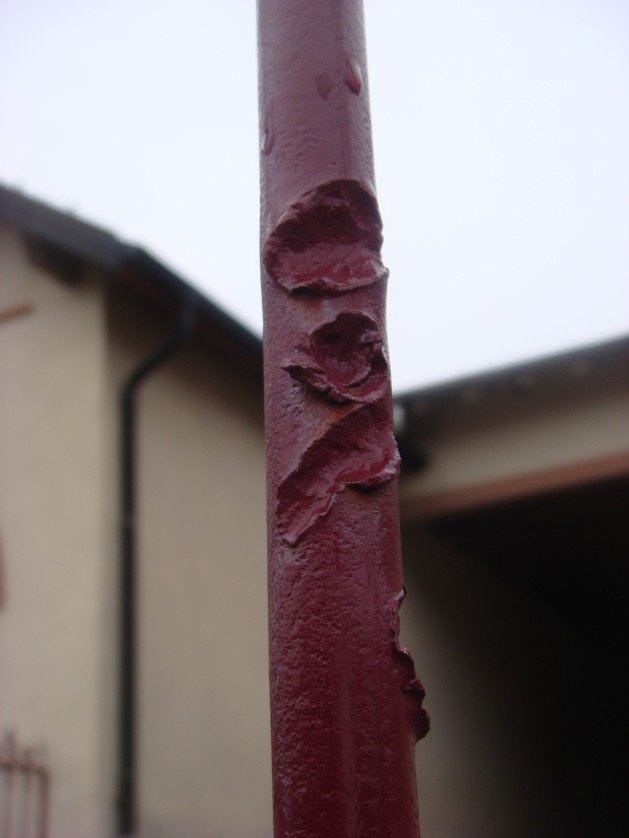
The next morning a Nisei litter train made up of medics from the 100th and the 3rd Btl, along with German prisoners scting as litter bearers, attempted to carry out some of the wounded. The group had barely left Biffontaine, when a German patrol captured them. Only three of the 20 were able to escape. Even today, evidence of the Battle can be found today.
On the afternoon of October 23, the 3rd Battalion finally broke through to free the 100th. Biffontaine, a farming hamlet of 300 people, with no rail line, was now in Allied hands. The cost for the 100th Battalion: 21 K.I.A., 122 wounded and 18 captured.
THE RESCUE OF THE LOST BATTALION
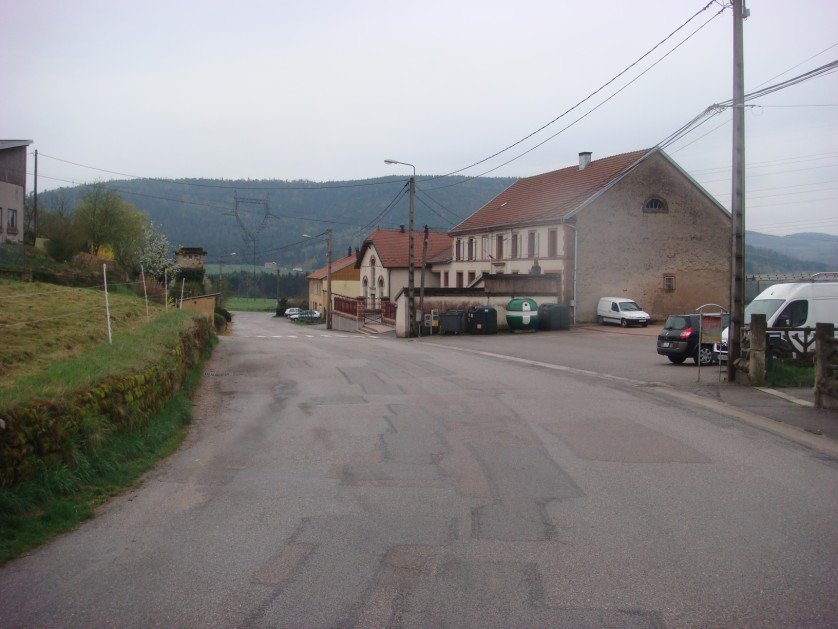
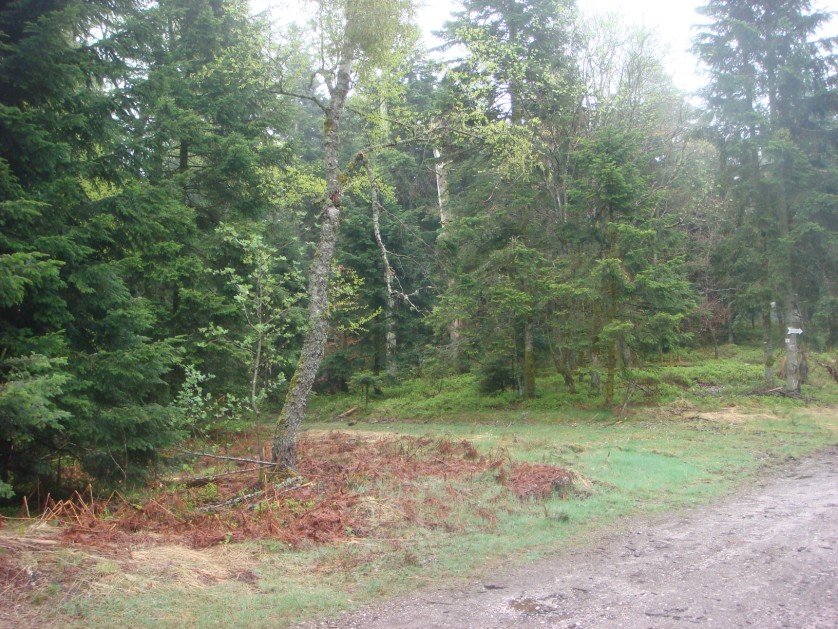
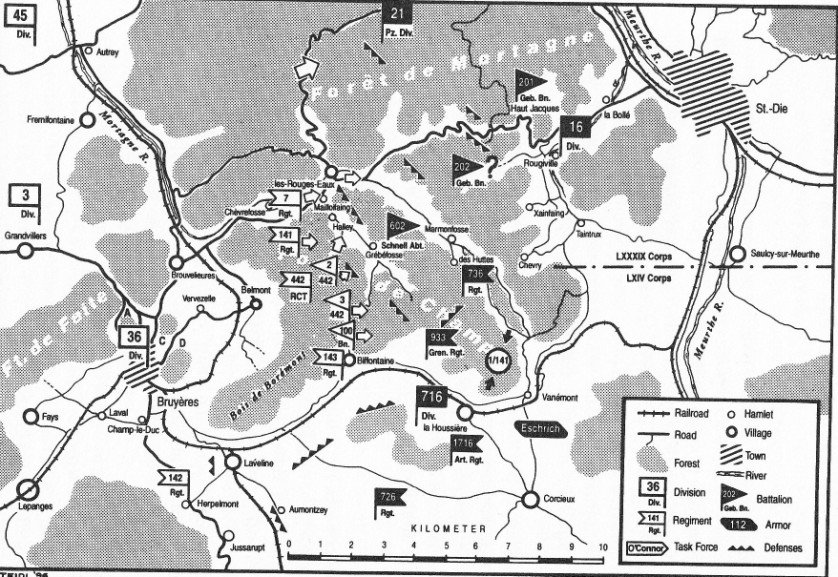
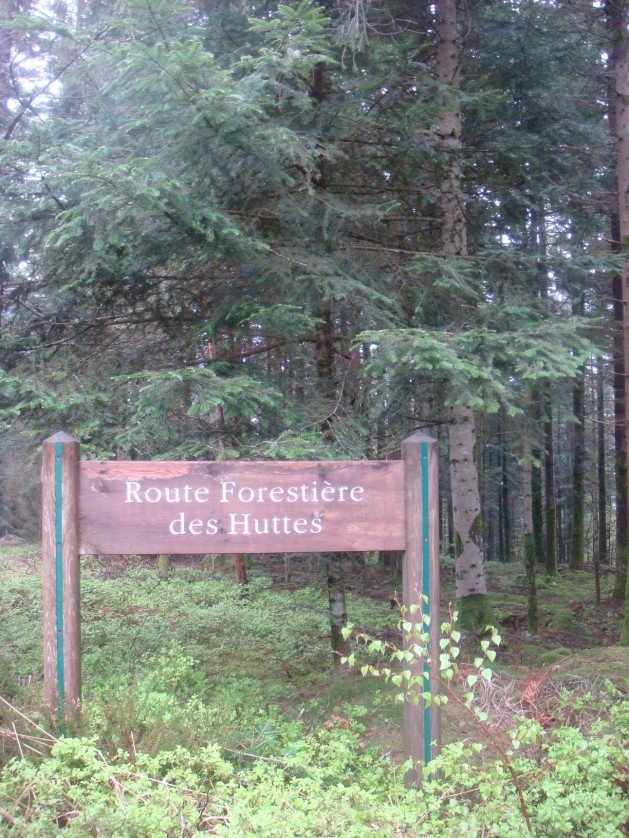
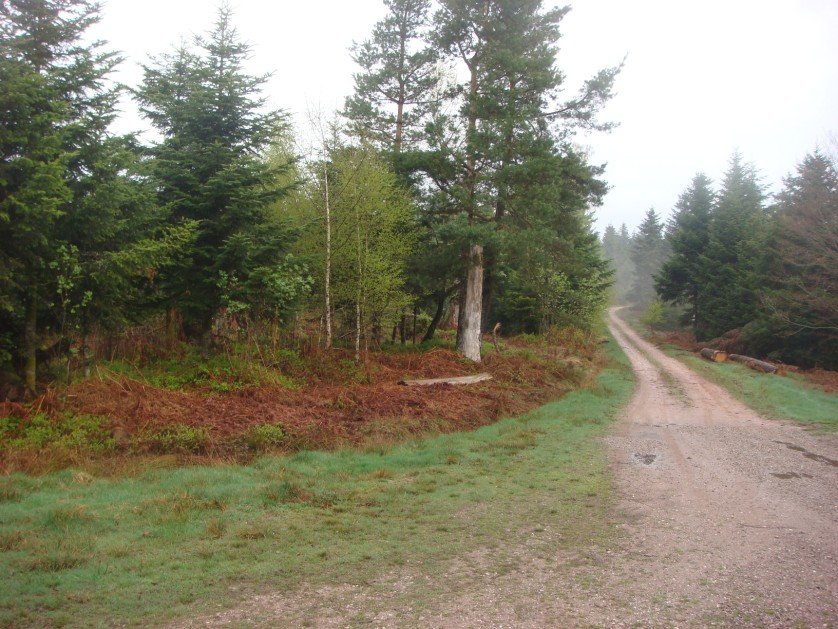
On the 26th of October, Colonel Pence was directed to relieve the 3rd Btl, 141st Infantry, with one Battalion, 442nd Infantry, and elected to send the 2nd into the line. The relief was effected at 0300 hours on October 26 on the extreme left of the division sector. The following day, however, the entire Combat Team was ordered into the line in an effort to relieve pressure on the 1st Btl, 141st Infantry. In a push down the long heavily-wooded ridge that extended southeast and dominated the valley from Biffontaine to La Houssiere, the 1st Btl had overextended itself and had been cut off by strong enemy forces. The photo shows the place where the first German roadblock was set.
Moving quickly, the 3rd Btl and 100th Btl pushed off from Belmont in pitch darkness at 0400, 27 October. By 1000 hours they had passed through the remainder of the 141st, which had been trying to break through to its besieged troops. The 442nd RCT launched its attack, battalions abreast, with the 100th on the right.
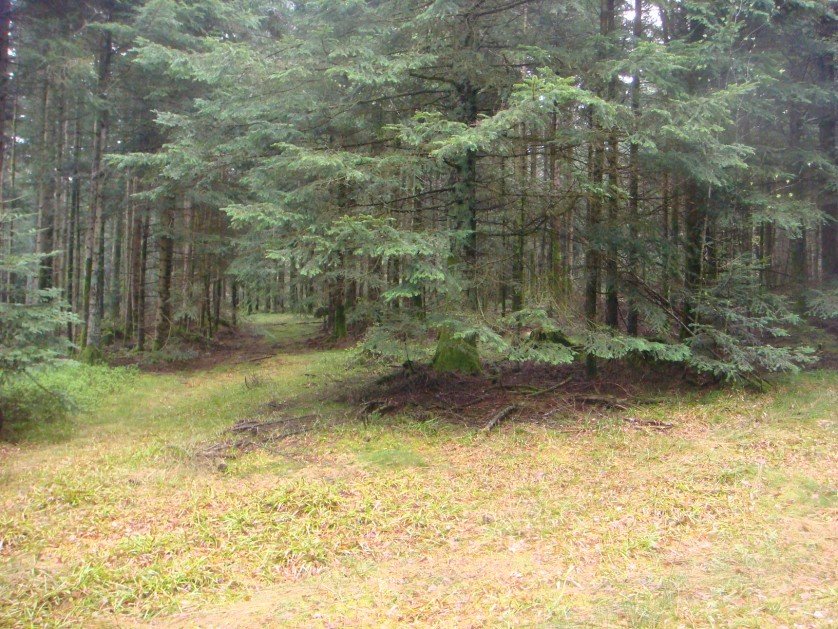
This is the place wher the 2nd German roadblock was set.
Progress was slow on the October 27. The terrain was next to impossible, heavily forested and carpeted with a dense growth of underbrush. Fighting went back to the days of America's Indian wars; every tree and every bush were carefully investigated before the troops passed on. Then, abruptly, the enemy drove the friendly troops off the high ground to the left flank of the 3rd Btl, opening that battalion to two major counterattacks, supported by a Mark IV tank and an armored car.
Only after three hours of violent action were the troops able to beat off the threat and disable the tank.
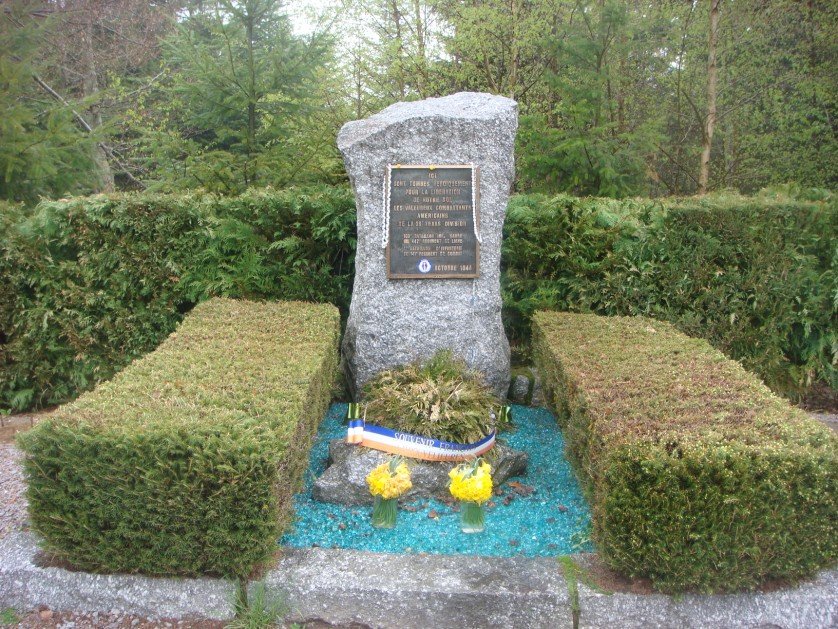
The monument in honor of the 36th Division